
Watching Kokuhō in the U.S.
eflections on watching Kokuhō after finishing the 800-page novel—visually stunning, but missing some crucial layers.

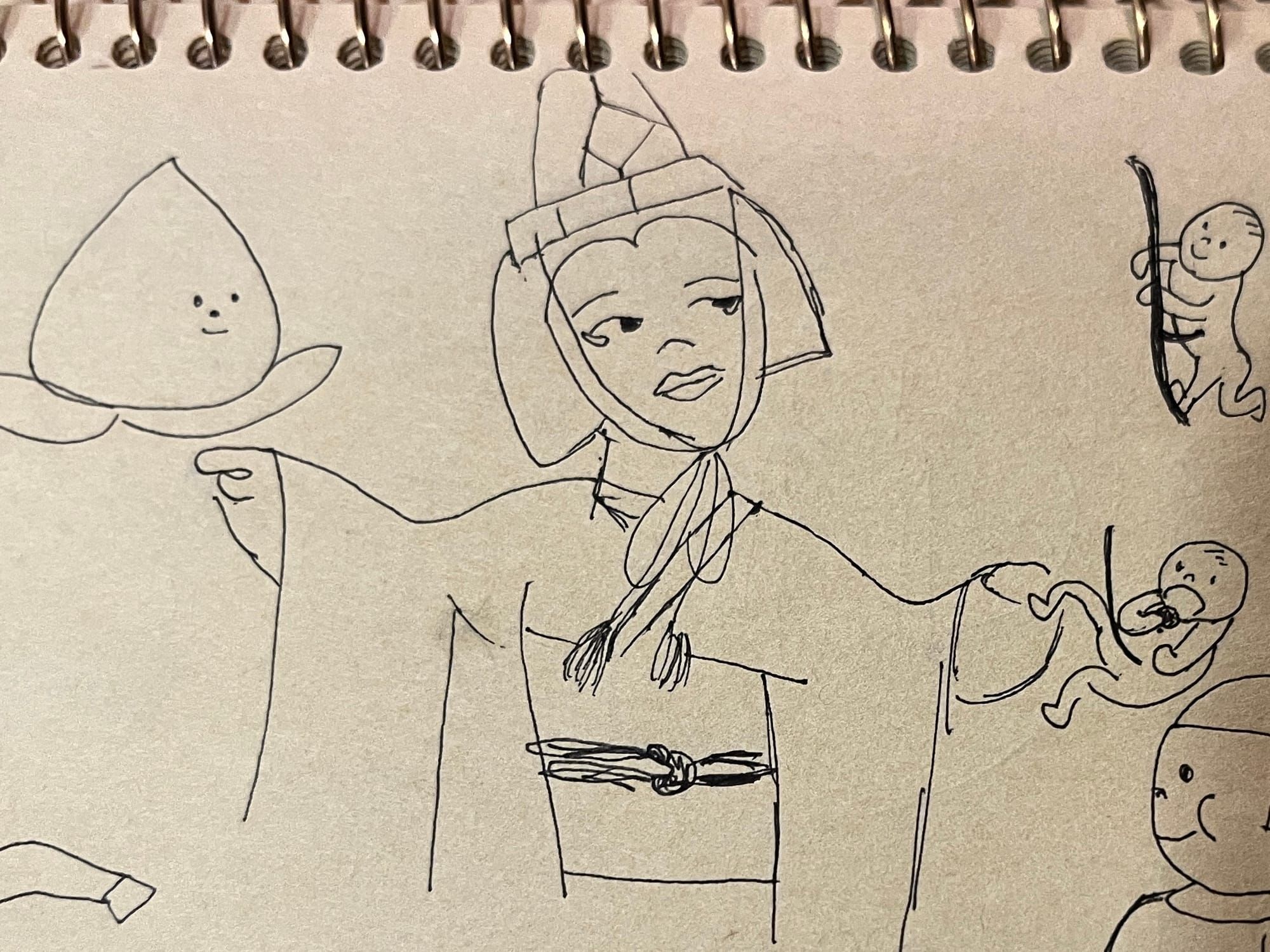
In February, I went to see the 2025 Japanese blockbuster film Kokuhō (National Treasure), which was recently released in the U.S. I had already finished the original novel via audiobook, so I was really looking forward to seeing the story brought to life on screen.
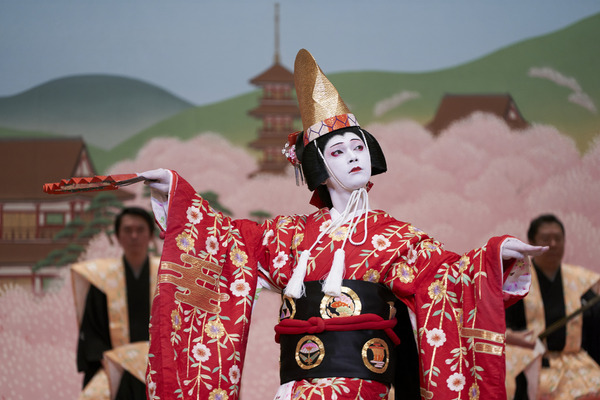
Source: cinemacafe.net
But—if I’m being completely honest—I think I expected too much.
The actors’ intense, almost ferocious performances were breathtaking. The kabuki scenes were especially powerful; the camera captured the performers’ expressions and the intricate beauty of their costumes in ways you would never see even if you attended a live kabuki performance. That felt incredibly special.
However, the original novel spans over 800 pages in Japanese. It’s an epic story that follows more than fifty years of one man’s life—from adolescence to middle age. Condensing that into a three-hour film was clearly a monumental task.
One of the biggest disappointments for me was the absence of Tokuji, a character who, in the novel, never leaves the protagonist Kikuo’s side. They share a bond that feels like brotherhood—sometimes playful, sometimes brutally honest. And because of their ties to the yakuza world, their connection runs even deeper than ordinary friendship. In the film, Tokuji essentially disappears after their childhood years. Even more frustrating was hearing lines that Tokuji had originally spoken delivered by completely different characters. I found myself thinking, “That’s not what that moment meant…”
Another layer of the novel that felt diminished in the film was the duality at its core. Kikuo, though the son of a yakuza, is blessed with artistic talent and extraordinary beauty. Despite lacking the proper kabuki lineage, he struggles and eventually rises to become a “national treasure.” But beneath his growth as a kabuki actor lies something equally important: he never fully abandons the yakuza code of honor and philosophy he grew up with. That moral tension—between the refined aesthetic world of kabuki and the dangerous underworld of organized crime—creates a precarious, fascinating balance in the novel.
In the film, while we occasionally see the owl tattoo on his back after he leaves Nagasaki at fifteen to live with a kabuki family in Osaka, much of his ongoing involvement with the yakuza—how it saves him at times, and nearly destroys his acting career at others—was cut entirely.
I could probably say more, but I’ll stop here.
Even so, I’m glad I went. It’s rare for Japanese live-action films to screen in the United States, and being able to watch it in theaters felt like a special experience.